
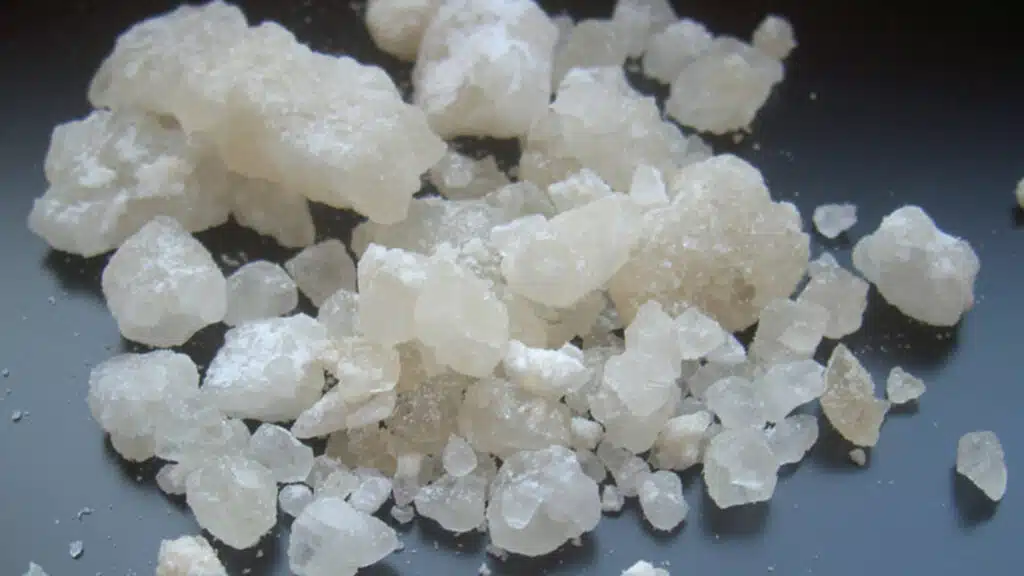


What is 3-MMC?
3-MMC (3-methylmethcathinone) is a synthetic cathinone derivative from the group of substituted cathinones and is often colloquially referred to as a „research chemical“ or „designer drug.“ Chemically, it is structurally similar to mephedrone (4-MMC) and methamphetamine. It primarily acts as a release agent and reuptake inhibitor of monoamines—especially dopamine, serotonin, and norepinephrine.
Originally synthesized for scientific research, 3-MMC gained recreational popularity due to its stimulant and empathogenic effects. In recent years, it has been classified as an illegal substance in numerous countries.
How 3-MMC works
Pharmacology:
As a monoamine releaser, 3-MMC crosses the blood-brain barrier and causes the release of the following neurotransmitters:
Serotonin → leads to empathy, improved mood and emotional openness.
Dopamine → produces euphoria, increased energy and motivation.
Noradrenaline → causes physical stimulation, increased heart rate and heightened alertness.
The serotonergic effect of 3-MMC distinguishes it from classic stimulants such as amphetamine and gives it both a stimulating and an entactogenic effect.
Common routes of administration
Consumers typically administer 3-MMC in the following way:
Oral administration (capsules or dissolved in liquid)
Nasal application (cold)
Rectal application (suppositories) – less common
Intravenous administration (injection) – high risk
Oral administration results in a delayed onset of action (30–60 minutes) and a longer duration of action (3–5 hours), while nasal administration or intravenous administration results in a rapid onset of action (1–5 minutes), but a shorter, more intense effect.
Short-term effects of 3-MMC
Desired effects:
Euphoria and elevated mood
Increased sociability and talkativeness
Empathy and emotional warmth (similar to MDMA)
Increased energy and concentration
Slight increase in tactile sensation
Undesirable short-term effects:
Tachycardia (rapid heartbeat)
Hypertension (high blood pressure)
Bruxism (teeth grinding)
Hyperthermia (overheating)
Anxiety, restlessness, or paranoia
insomnia
Nausea and vomiting
Long-term risks and side effects
Chronic or high-dose 3-MMC use is associated with significant medical and psychiatric risks.
Cardiovascular: Cardiac arrhythmias, myocardial ischemia, cardiomyopathy
Neurological: Serotonin syndrome, seizures, cognitive impairment
Psychiatric: Depression, psychosis, panic disorder, anhedonia
Physical: Severe weight loss, dental problems, frequent infections
Dependence: Compulsive redosing, tolerance development, withdrawal syndrome
3-MMC addiction and withdrawal symptoms
Like other cathinones, 3-MMC has a high potential for abuse. Frequent users often develop:
Tolerance – higher doses are required for the same effect
Compulsive redosing – due to the short duration of action and the strong craving.
Withdrawal symptoms include fatigue, depression, increased appetite, vivid nightmares, and a strong craving for the drug.
Withdrawal typically begins 12–24 hours after the last use and can last 5–10 days.
Strategies for minimizing damage
In case of risk from 3-MMC consumption, the following harm reduction measures should be observed:
Do not mix with other stimulants, MAOIs or alcohol (increases cardiovascular risk).
Avoid redosing – the urge to redos is strong; set a limit beforehand.
Drink enough fluids with electrolytes, but don’t overdo it.
Monitor body temperature – hyperthermia is a medical emergency.
Use a test – many batches sold as 3-MMC may contain other cathinones or synthetic cannabinoids.
Never drive or operate machinery while under the influence of 3-MMC.
Ensure that a fasting person is present to accompany you, especially during injections.
Legal status of 3-MMC
From 2025 onwards, 3-MMC will be subject to narcotics control in the following countries:
Germany (BtMG)
Netherlands (inclusion in the Opium List I)
United Kingdom (Class B drug)
when used for human consumption
| Menge | 10g, 25g, 50g, 100g, 500g, 1kg |
|---|
Ähnliche Produkte
Forschungschemikalien
Forschungschemikalien
Forschungschemikalien
Forschungschemikalien

Forschungschemikalien
Forschungschemikalien
Forschungschemikalien
Forschungschemikalien