
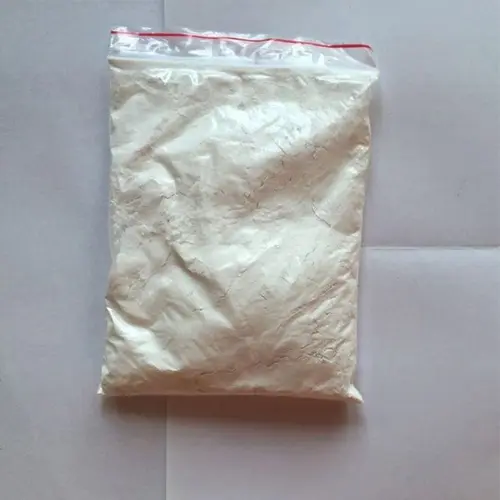
ODSMT Kaufen

Preisspanne: €240.00 bis €8,000.00
Understanding O-DSMT (Desmetramadol): A Comprehensive Guide
O-Desmethyltramadol (O-DSMT) is increasingly discussed in pharmacological circles and within the harm reduction community. Also known as desmetramadol, this substance is the primary active metabolite of the widely used painkiller tramadol. This article provides a detailed, scientifically sound overview of O-DSMT, covering its pharmacology, effects, dosage, risks, and legal status.
What is ODSMT (Desmetramadol)?
O-Desmethyltramadol (often abbreviated as O-DSMT or O-demethyltramadol) is an opioid analgesic and the main active metabolite of tramadol. When a person takes tramadol, it is metabolized in the liver by the enzyme CYP2D6 to O-DSMT. This metabolite is a significantly more potent μ-opioid agonist than the parent compound tramadol.
The INN (International Nonproprietary Name) for this compound is Desmetramadol.
Why is O-DSMT important?
Understanding O-DSMT is important for several reasons:
Efficacy of tramadol: Individuals with a less active form of the enzyme CYP2D6 („poor metabolizers“) experience a reduced pain-relieving effect from tramadol because they cannot convert enough of it into the active metabolite O-DSMT. This is similar to the problem with codeine, which must be metabolized to morphine to be effective.
Direct application: O-DSMT has emerged as a research chemical and designer drug due to its direct opioid effect – bypassing CYP2D6 metabolism.
Clinical potential: O-DSMT has been investigated in clinical trials for its potential as an analgesic, particularly for patients with CYP2D6 deficiency. Some research suggests that, due to its unique pharmacology, it may have a more favorable safety profile compared to other opioids.
Pharmacology of ODSMT
Mechanism of action
The primary mechanism of action of O-DSMT is its agonist effect at the μ-opioid receptor. The (+)-enantiomer of desmetramadol is a G-protein-selective („biased“) full agonist at the μ-opioid receptor; this component is responsible for the analgesic and euphoric effects.
Unlike tramadol, O-DSMT has only minimal activity inhibiting serotonin reuptake. However, the (-)-enantiomer retains its activity as a norepinephrine reuptake inhibitor. This dual action contributes to the complex pharmacological profile of both tramadol and its metabolites. Furthermore, O-DSMT acts as an antagonist at the serotonin 5-HT2C receptor—a mechanism implicated in mood regulation and potentially contributing to antidepressant effects.
Key difference to Tramadol
One of the most important differences is that the effect of O-DSMT is not dependent on CYP2D6 metabolism. This makes it a potentially more reliable and predictable substance for pain management in patients who do not respond well to tramadol. Furthermore, the risk of serotonin syndrome—a serious complication of tramadol due to its serotonin reuptake inhibition—is significantly lower with O-DSMT.
Effect and duration of effect ODSMT
Based on user reports and pharmacological data, the effects of ODSMT are described as a „middle ground“ between tramadol and stronger opioids such as morphine. It is often characterized as a „motivating“ opioid that can improve energy and concentration at low doses, while higher doses lead to sedation and relaxation.
Reported effects
Pain relief: Strong pain relief is the primary therapeutic effect.
Euphoria & mood improvement: Users report feelings of blissful contentment, a warm physical euphoria, and a general mood improvement.
Energy & Motivation: At low to medium doses, it can – unlike opioids, which tend to have a sedating effect – provide a boost in energy and concentration.
Relaxation: At higher doses, the effect shifts towards pronounced physical relaxation and sedation.
Side effects: Common side effects include dry mouth, mild itching, constipation, and miosis (constricted pupils).
Sleep disorders: Taking it too late in the evening can impair sleep.
Duration of effect
The duration of action of O-DSMT is relatively long compared to some other opioids.
Onset of action: When taken orally, the effect is typically noticeable within 20 to 60 minutes.
Maximum effect: The strongest effect generally occurs 2 to 3 hours after ingestion.
Total duration: The total duration of the effect can be between 6 and 10 hours.
Important safety and risk information
O-DSMT is not a safe substance. It is a powerful opioid, and its use is associated with significant risks, including addiction and the risk of a fatal overdose.
Main risks
Addictive potential: Like all opioids, O-DSMT has a high potential for addiction. Tolerance develops rapidly, and regular use can lead to dependence.
Respiratory depression: This is the most common cause of fatal opioid overdose. It manifests as dangerously slowed and shallow breathing. The risk increases dramatically when O-DSMT is combined with other depressants such as alcohol, benzodiazepines, or other opioids.
Unpredictability: As a designer drug, O-DSMT is not subject to quality controls during manufacturing. The potency and purity of individual batches can vary, increasing the risk of accidental overdose.
Damage minimization
Use a milligram scale: Never estimate doses by eye. Use a precise scale with a measuring accuracy of 0.001 g.
Do not combine: Avoid mixing O-DSMT with other substances that depress the central nervous system.
Start low, increase slowly: Begin with a threshold dose to test your reaction.
Understanding the risks: Be fully aware of the addictive potential and the risk of respiratory depression.
Legal status
The legal status of O-DSMT varies depending on the country.
United Kingdom: Desmetramadol was classified as a Class A drug in the United Kingdom in February 2013.
Germany: The substance was placed under the NpSG (Law on New Psychoactive Substances) in 2025.
United States: As of now, O-DSMT is not listed as a controlled substance (not “scheduled”) at the federal level, which has contributed to its availability as a research chemical.
Where can I buy ODSMT online?
If you wish to buy desmetramadol online, you must use licensed and reliable platforms. At Forsch Chem, you gain access to many effective, high-quality medications. You can easily order directly online from our official website.
| Menge | 10g, 25g, 50g, 100g, 500g |
|---|
Ähnliche Produkte
Forschungschemikalien
Forschungschemikalien
Forschungschemikalien
Forschungschemikalien
Forschungschemikalien
Forschungschemikalien

Forschungschemikalien
Forschungschemikalien