

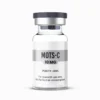

What is Sermorelin?
Sermorelin acetate is a synthetic peptide analogue of growth hormone-releasing hormone (GHRH). Unlike synthetic HGH injections, which flood the body with external hormones, sermorelin works in conjunction with the pituitary gland. It stimulates the somatotropic cells of the gland to produce and release the body’s own growth hormone (HGH).
This difference is crucial: Sermorelin restores the body’s natural regulatory circuit instead of suppressing it.
Mechanism of action of sermorelin
When administered subcutaneously (usually in the evening), sermorelin binds to specific receptors in the pituitary gland. This triggers a pulsatile release of HGH, mimicking the body’s youthful secretion pattern. Because sermorelin is similar to natural GHRH, sermorelin therapy carries a lower risk of overdose or adrenal axis suppression compared to direct HGH injections.
Key benefits of sermorelin therapy:
Clinical studies and patient reports demonstrate numerous benefits of this peptide:
1. Increased muscle mass and fat loss:
Sermorelin promotes lipolysis (the breakdown of fat for energy) and increases protein synthesis. Users typically report a reduction in visceral abdominal fat and an increase in lean muscle mass without the need for anabolic steroids.
2. Improved sleep quality:
Growth hormones are primarily released during deep sleep. Sermorelin contributes to the regulation of the circadian rhythm, leading to longer, more restorative sleep cycles and improved REM sleep function.
3. Accelerated regeneration and healing:
By increasing the IGF-1 (Insulin-like Growth Factor 1) level in the liver, Sermorelin accelerates wound healing, repairs connective tissue, and shortens the recovery time after injuries or intense physical activity.
4. Skin elasticity and hair density:
Many patients use sermorelin for anti-aging treatment. Increased human growth hormone (HGH) restores collagen density, thus reducing fine lines, wrinkles, and thinning skin. It also promotes healthier hair follicles.
5. Bone density and immune function:
Sermorelin supports the activity of osteoblasts (bone formation) and stimulates the thymus gland, which produces T cells important for the immune system.
Application and dosage guidelines
standard
The sermorelin dosage is between 200 and 500 µg and is administered subcutaneously once daily, usually 30–60 minutes before bedtime. Treatment cycles typically last 3–6 months. Due to the short half-life of sermorelin (approximately 10–12 minutes), daily administration is necessary for optimal results.
Side effects and risks of Sermorelin
Sermorelin is generally well tolerated. The most common side effects of sermorelin include:
Slight redness or swelling at the injection site
Temporary hot flashes or dizziness
Rarely pain at the injection site
Unlike exogenous growth hormone (HGH), sermorelin does not cause joint swelling, insulin resistance, or organ enlargement when used as directed.
Sources of Sermorelin
Sermorelin is a prescription-only peptide in Germany. Purchasing it without a prescription or through unregulated research chemical websites is illegal. To obtain sermorelin, you must:
Consult a doctor specializing in functional medicine or an anti-aging clinic.
undergo blood tests (IGF-1 levels, pituitary function).
Have a doctor’s prescription filled by a specialized pharmacy.
| Menge | 5x10mg, 10x10mg, 20x10mg, 50x10mg |
|---|
Ähnliche Produkte
Kaufen Sie Peptide
Kaufen Sie Peptide
Kaufen Sie Peptide
Kaufen Sie Peptide
Kaufen Sie Peptide
Kaufen Sie Peptide
Kaufen Sie Peptide
Kaufen Sie Peptide