
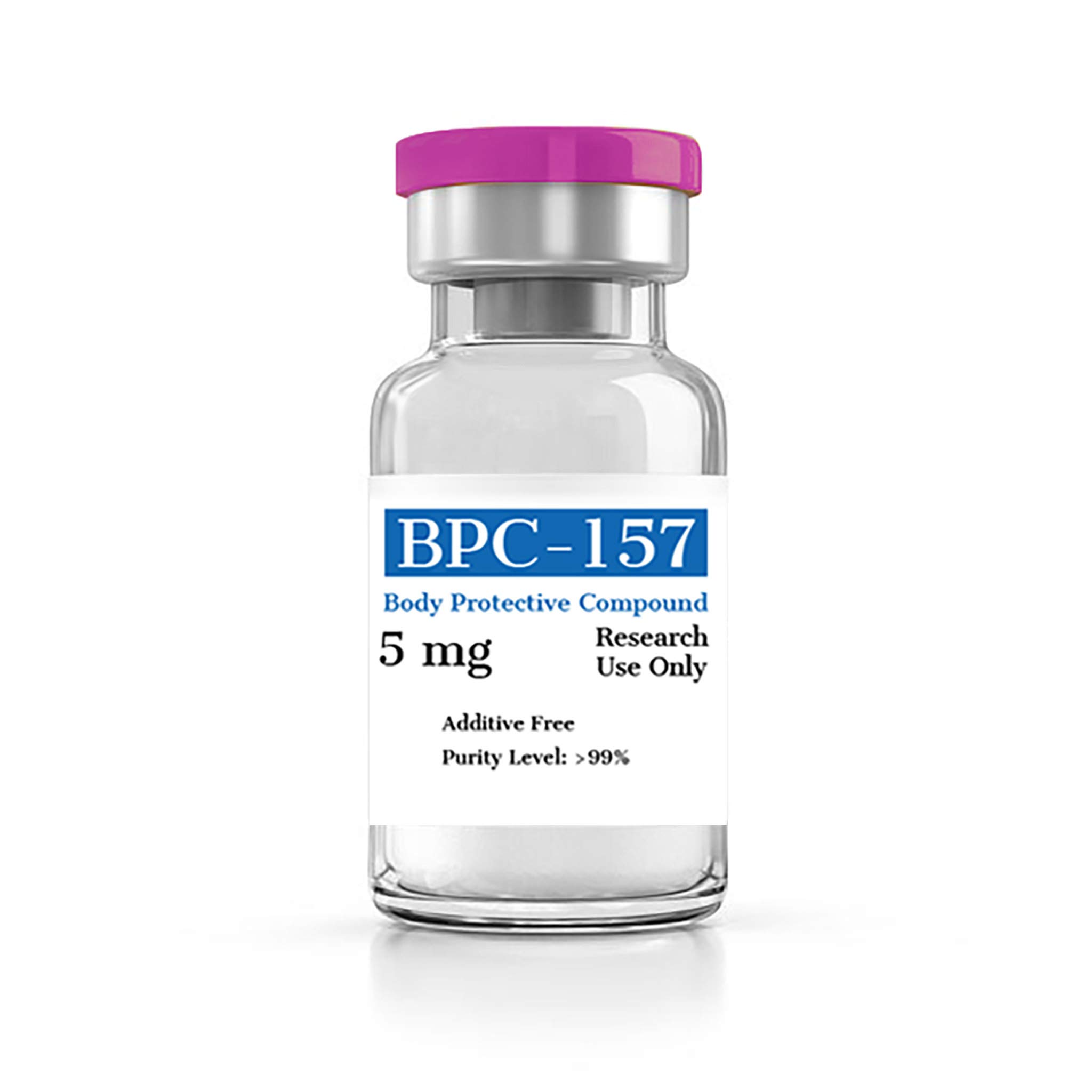
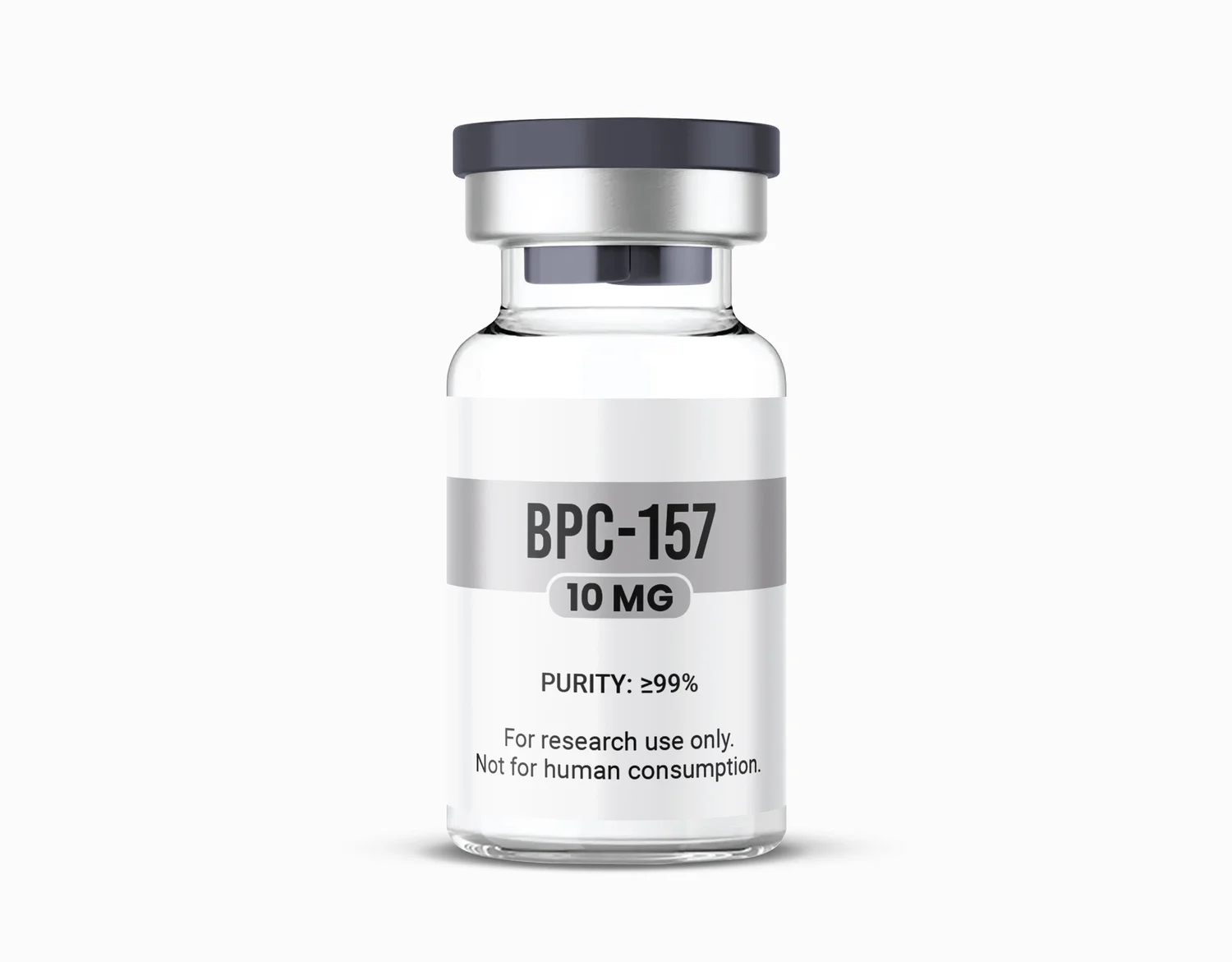
BPC-157: The “body’s own protective compound” explained
world of regenerative medicine and peptide research, no substance has attracted as much interest as BPC 157. This synthetic peptide, also known as the „body’s own protective compound,“ has made a name for itself in research circles due to its remarkable healing potential.
But what exactly is BPC-157? Does it live up to its promises? Here’s a scientifically sound look at the peptide, its suspected mechanisms of action, potential benefits, and the current state of research.
What is BPC-157?
BPC-157 is a synthetic peptide consisting of 15 amino acids. It is derived from a naturally occurring protein in human gastric juice, the so-called endogenous protective compound (BPC). Essentially, it is a fragment of a larger protective protein produced by the stomach.
Unlike some peptides that target specific hormones (such as growth hormone secretagogues), BPC-157 appears to act as a systemic remedy. Research suggests that it promotes angiogenesis (the formation of new blood vessels), modulates inflammation, and accelerates the repair of various tissues.
How does BPC 157 work? (Mechanism of action)
The scientific findings on BPC-157 are fascinating. It not only alleviates pain but also appears to create a favorable environment for regeneration. Key mechanisms include:
Promotion of angiogenesis: BPC-157 increases the expression of genes involved in blood vessel growth (e.g., VEGFR2). Improved blood flow means better supply of oxygen and nutrients to damaged tissue.
Modulation of growth factors: It increases the production of important growth factors such as VEGF (vascular endothelial growth factor) and FGF (fibroblast growth factor), which are crucial for tissue repair.
Anti-inflammatory effect: BPC-157 inhibits inflammatory processes, thus reducing swelling and subsequent damage after an injury.
Healing of tendons and ligaments: It stimulates the growth of fibroblasts in the tendons and promotes the formation of a better organized extracellular matrix.
Protective effect: As the name suggests, it protects organs (stomach, liver, heart) from toxins, NSAIDs (such as ibuprofen) and stress-related damage.
Potential benefits BPC 157(based on preclinical studies)
1. Healing of tendons, ligaments and muscles
This is the most frequently discussed benefit. In rodent studies, BPC-157 accelerated the healing of severed Achilles tendons, torn quadriceps muscles, and damaged ligaments. It also shortened recovery time after muscle contusions.
2. Chronic inflammatory bowel diseases (IBD)
Because BPC-157 is derived from a stomach protein, it has strong effects on the intestines. Animal studies show that it can heal fistulas, reduce inflammation, and repair the intestinal lining in models of ulcerative colitis and Crohn’s disease.
3. Osteoarthritis and joint health
Injury models of osteoarthritis show that BPC-157 can protect articular cartilage, reduce joint swelling, and improve functional outcomes. It appears to counteract the catabolic (tissue-damaging) environment in an arthritic joint.
4. Postoperative adhesions
Internal scar tissue (adhesions) following surgery can cause chronic pain and bowel obstruction. BPC-157 significantly reduced postoperative adhesion formation in rat models.
5. Neuroprotective effect
Recent research suggests that BPC-157 may protect the brain from trauma, stroke, and excitotoxicity. It improved recovery in models of spinal cord injury and peripheral nerve damage.
6. Protection against NSAIDs and alcohol
Unlike many stomach ulcer medications, BPC-157 not only heals existing gastric mucosal lesions but also prevents damage when taken with high doses of NSAIDs (such as aspirin or ibuprofen) or alcohol.
Application & Dosage BPC 157 (Research Context)
Important: BPC-157 is not approved for human use. The following information is based on research protocols and user reports.
Injections (subcutaneous or intramuscular): The most common method in research. Typical doses range from 200 to 500 µg per day, often divided into two administrations. In cases of local injuries (e.g., a tendon rupture in the elbow), injections are sometimes administered near the site of injury.
Oral administration: Particularly effective for gastrointestinal diseases (IBD, ulcers). For systemic joint or tendon problems, injection is generally considered superior due to better bioavailability.
Cycles: Typical research cycles last 4–6 weeks, followed by a break.
Safety & Side Effects
In animal studies, BPC-157 demonstrated an extremely high safety profile. Even at very high doses, virtually no toxic effects were observed.
Possible side effects (mainly from user reports, not from clinical trials):
Mild irritation at the injection site
Temporary nausea or diarrhea (especially after oral administration)
Headaches (rare)
Important instructions:
There is no long-term data available regarding safety in humans.
Its use in patients with active cancer is contraindicated, as the angiogenic properties could theoretically accelerate tumor growth (no evidence for this, but a theoretical risk).
Use in pregnant and breastfeeding women is not permitted.
Legal framework
Research chemical: BPC-157 is sold as a „research peptide“ and not for human consumption.
FDA: Warnings to pharmacies that manufacture BPC-157 due to a lack of data on its safety and efficacy in humans.
Conclusion: Potential vs. Effectiveness
BPC-157 is among the most promising regenerative peptides available. Preclinical evidence for the healing of tendons and intestinal inflammation, as well as for organ protection, is robust and consistent.
| Menge | 10xBPC157, 20xBPC157, 50xBPC157, 100xBPC157 |
|---|
Ähnliche Produkte
Kaufen Sie Peptide
Kaufen Sie Peptide
Kaufen Sie Peptide
Kaufen Sie Peptide
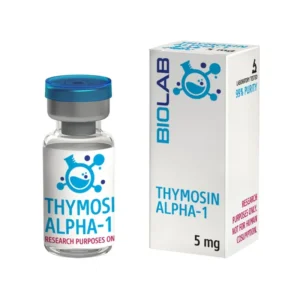
Kaufen Sie Peptide

Kaufen Sie Peptide
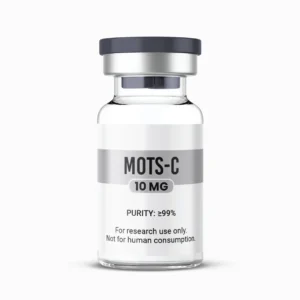
Kaufen Sie Peptide
Kaufen Sie Peptide